




Winning the World Cup is often treated as the final proof of football greatness. Pelé, Diego Maradona, Franz Beckenbauer and Lionel Messi all have that golden stamp.
But football history was not shaped only by players who lifted the trophy.
Some footballers changed the way the game was played, coached, watched or understood without ever becoming world champions. Their legacy shows that influence can outlive medals. A World Cup lasts one month. A football idea can last for generations.
Johan Cruyff: the man who lost the final but won the future
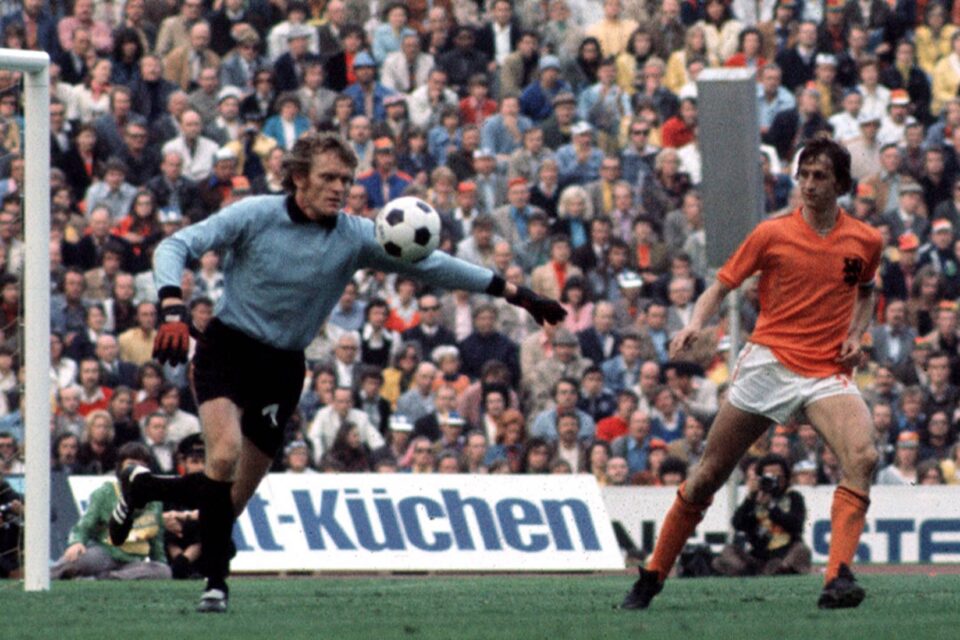
Johan Cruyff never won the World Cup, but few players changed football more. The Netherlands lost the 1974 final to West Germany, yet their “Total Football” became one of the most important tactical revolutions in the sport.
Cruyff moved like a forward, thought like a midfielder and pressed like a defender. He made positions feel fluid at a time when football was more rigid. Later, as a coach, he shaped Barcelona’s identity and influenced the ideas that would later define Pep Guardiola’s teams.
Cruyff did not lift the World Cup. But he helped create the football language used by many teams that did.
Alfredo Di Stéfano: the complete footballer before the term existed
Alfredo Di Stéfano’s international career was complicated, and he never won the World Cup. Yet at Real Madrid, he helped define what a complete footballer could be.
He was not just a striker. He dropped deep, organized attacks, defended, created and scored. With Di Stéfano as their leader, Real Madrid dominated the early European Cup era and turned club football into a stage for global legends.
His influence was enormous because he helped shift football prestige from international tournaments to European club competition. Modern Champions League mythology owes much to him.
Ferenc Puskás: the left foot that changed attacking football
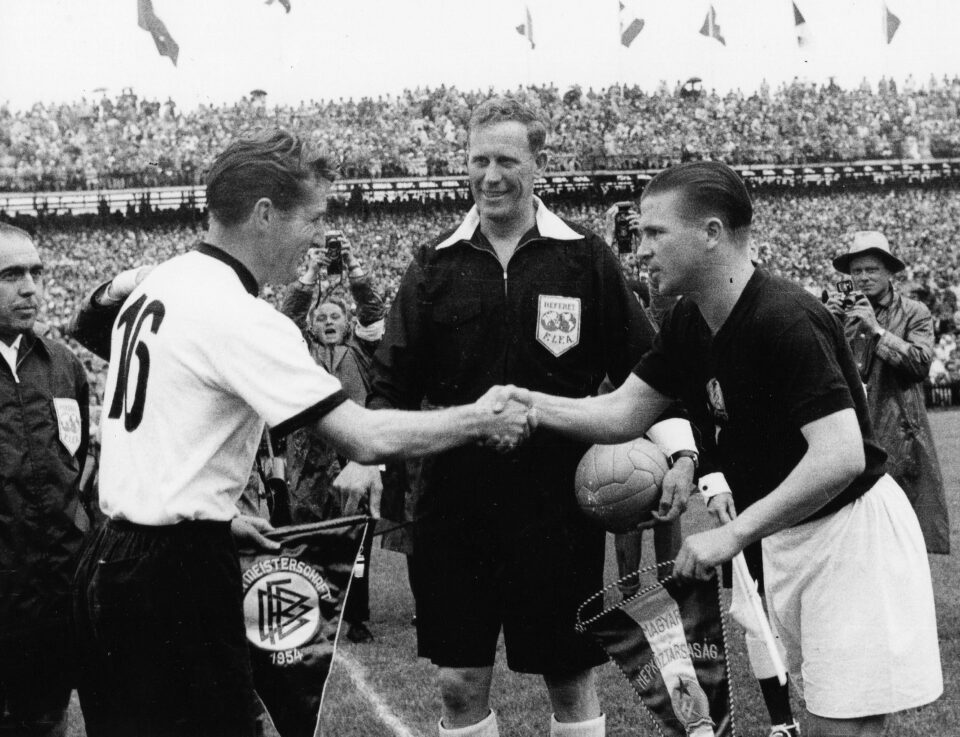
Ferenc Puskás came close to World Cup glory, but Hungary lost the 1954 final to West Germany. Even so, his impact on football was permanent.
With Hungary’s “Mighty Magyars”, Puskás helped show that intelligence, movement and technique could defeat old-fashioned physical football. His left foot became one of the most famous weapons in the game. He was not just a scorer; he made goals look artistic.
The fact that FIFA’s award for the most beautiful goal is named after him says everything about his legacy.
Lev Yashin: the goalkeeper who redefined the position
Lev Yashin remains the only goalkeeper to have won the Ballon d’Or, but he never won the World Cup. His greatness lies in how he changed the role of the goalkeeper.
Before Yashin, keepers were often seen mainly as shot-stoppers. He made the position more active and commanding. He came off his line, controlled his penalty area, organized defenders and influenced the game before shots even arrived.
Every modern goalkeeper who acts as a leader, sweeper and first attacker carries part of Yashin’s legacy.
George Best: football’s first pop star
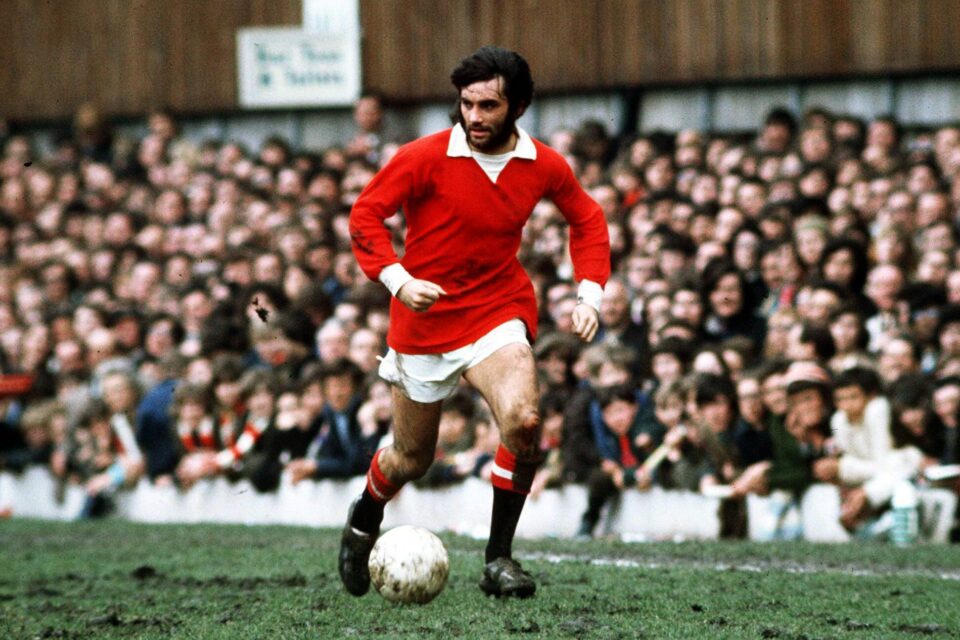
George Best never played at a World Cup, largely because he represented Northern Ireland. But his influence went far beyond trophies.
On the pitch, Best was a brilliant dribbler with balance, flair and imagination. Off the pitch, he became football’s first true celebrity superstar. He brought style, glamour and danger into the sport at a time when footballers were not yet global lifestyle figures.
Today’s football world, where players are brands as much as athletes, owes something to Best. He showed that a footballer could become a cultural icon.
Eusébio: the man who put Portuguese football on the world map
Eusébio did not win the World Cup, but he made Portugal a serious force in world football. At the 1966 tournament, he scored nine goals and led Portugal to third place.
His speed, power and finishing made him one of the most feared forwards of his era. Long before Cristiano Ronaldo, Eusébio gave Portuguese football a global superstar.
He changed the expectations around Portugal. After him, the country was no longer just participating in football history. It was producing legends.
Paolo Maldini: the defender who made elegance a weapon
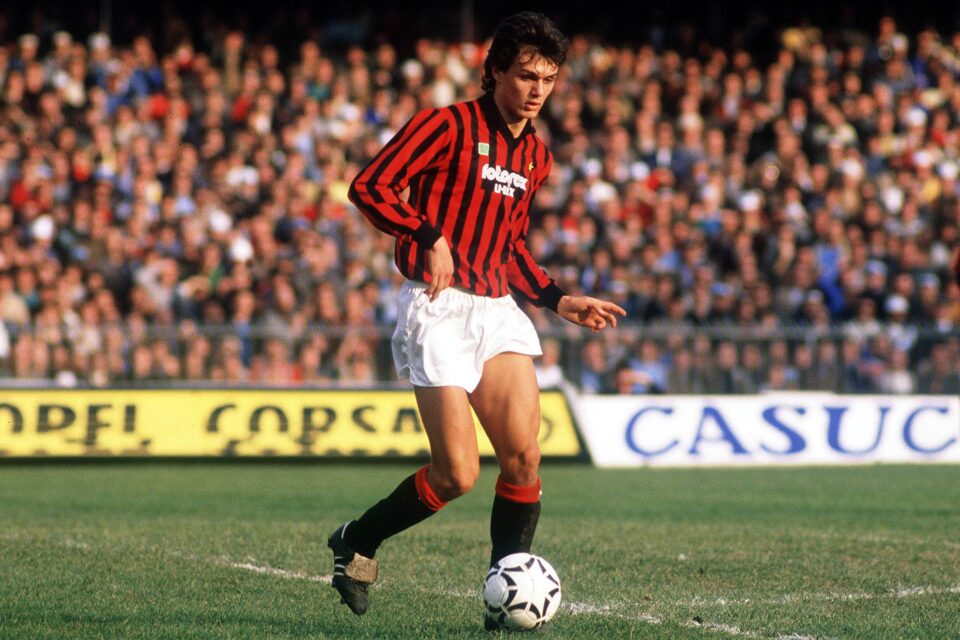
Paolo Maldini never won the World Cup. Italy became world champions in 2006, four years after he retired from international football. Yet Maldini’s legacy is untouchable.
He changed how people viewed defending. He was calm, intelligent and elegant, relying on timing and positioning more than aggression. Whether at left-back or centre-back, he made elite defending look effortless.
Maldini proved that defenders could be icons, not just support players. His career became a model for professionalism, longevity and defensive intelligence.
Why their legacy matters?
The World Cup is football’s biggest stage, but it is not always the fairest measure of greatness. Winning it depends on birthplace, team-mates, timing, injuries and luck. Best was born in Northern Ireland. Cruyff ran into West Germany. Puskás suffered one of football’s great final shocks. Maldini’s country won only after he had gone.
Judging these players only by the missing trophy misses the point.
Cruyff changed tactics. Di Stéfano changed club football. Puskás changed finishing. Yashin changed goalkeeping. Best changed football celebrity. Eusébio changed Portugal’s football identity. Maldini changed defending.
They did not win the World Cup, but they changed what future World Cups looked like.
Football remembers winners, but it is built by innovators. Some players lift trophies. Others leave ideas.
The World Cup did not crown Cruyff, Di Stéfano, Puskás, Yashin, Best, Eusébio or Maldini. But football did. Their greatness lives not in one missing medal, but in the way the game still carries their influence.



Comments