




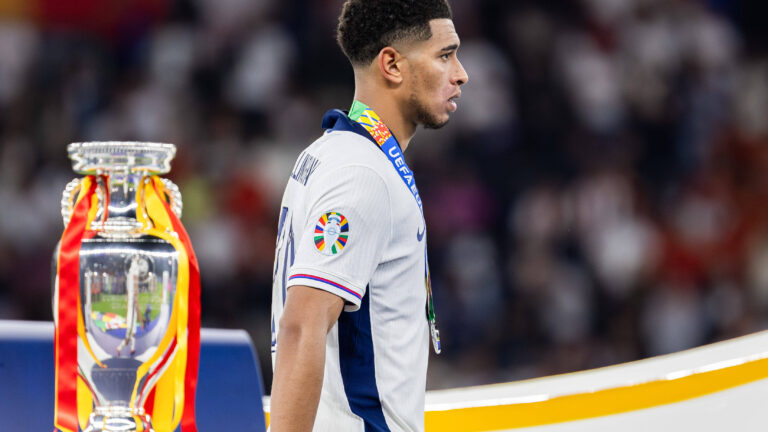
The 2026 FIFA World Cup will be the biggest edition in the history of the men’s tournament, with 48 teams competing across the United States, Canada and Mexico.
A larger format means more matches, more travel, more tactical variety and more chances for surprises. Even the strongest nations will need more than star power to survive. The teams most likely to go deep will be those with depth, flexibility and players capable of deciding tight knockout games.
Several countries already look well placed for that challenge, while others still have clear questions to answer before the tournament begins.
Spain have control, but still need a killer edge
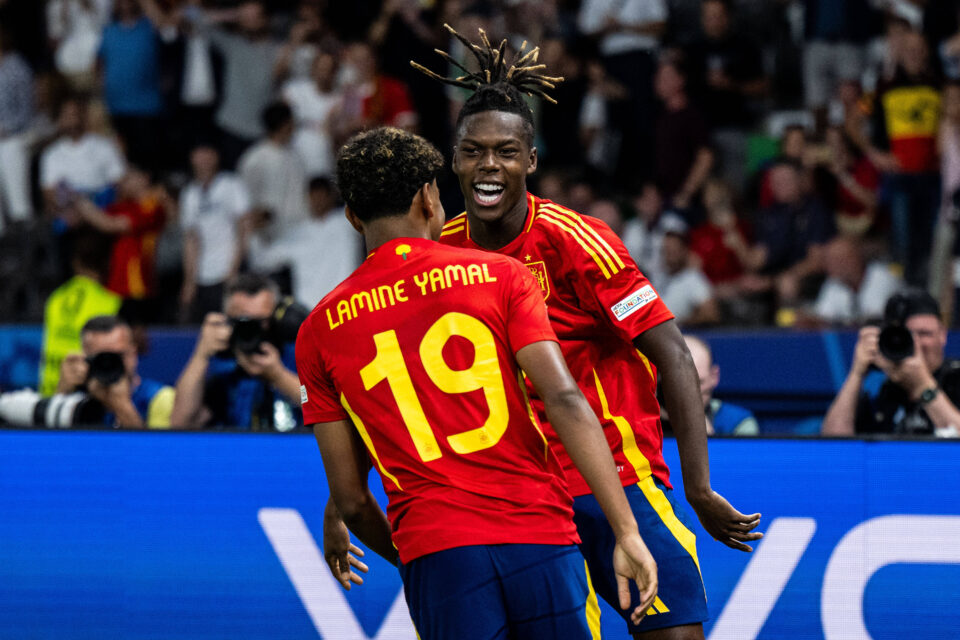
Spain enter the tournament cycle as one of the most balanced and coherent teams in international football.
Their midfield remains the foundation, with Rodri able to control tempo and dictate games from deep areas. Around him, Spain have the technical quality to dominate possession, slow opponents down and keep matches under control.
What makes this version of Spain more dangerous is the pace and directness in wide areas. Lamine Yamal and Nico Williams give the team a different dimension, turning long spells of possession into sudden chances with their speed and one-on-one quality.
The concern is still the final third. If Spain face a compact defensive opponent that survives their passing rhythm, they may need a more direct route to goal. A proven elite No. 9 remains the biggest missing piece.
France’s depth makes them a leading contender
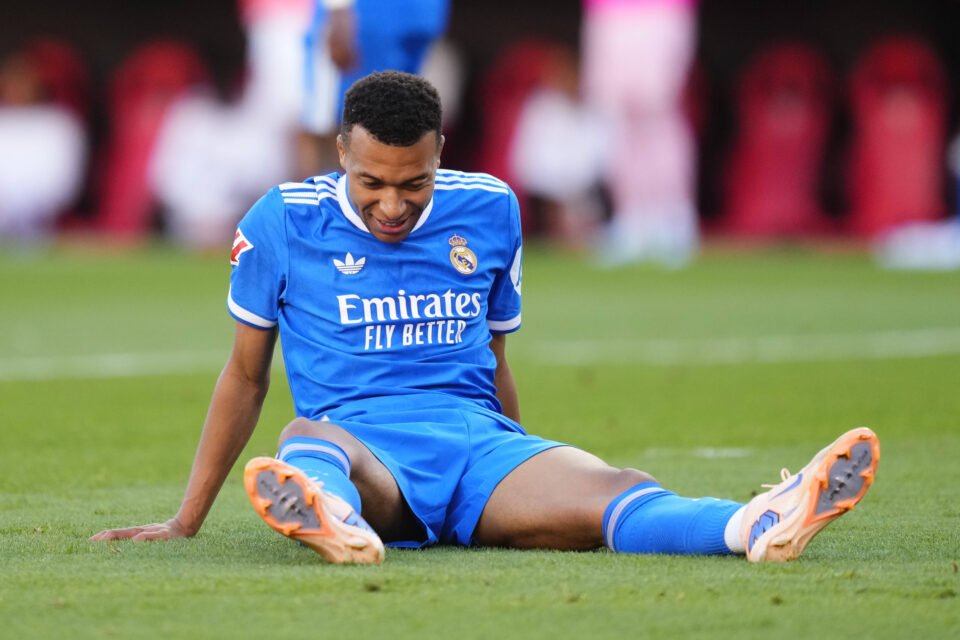
France are always difficult to ignore because no other nation can match their squad depth.
Didier Deschamps has so many options that even players left out of the final squad would start for many other countries. That matters in a long tournament, especially with the expanded format placing greater demands on fitness and rotation.
Kylian Mbappe remains the main star, but France are far from a one-man team. They have creators, finishers, powerful midfielders and defenders who can handle different types of opponents.
In knockout football, France can win in several ways. They can dominate possession, sit deeper and counter, or rely on individual quality to break open tight matches.
Their biggest risks are familiar ones. Dressing-room balance, selection debates and the pressure around major decisions can all become distractions. Full-back may also be an area opponents look to target, but France’s physical power and match-winners still make them one of the safest bets.
Argentina still know how to win
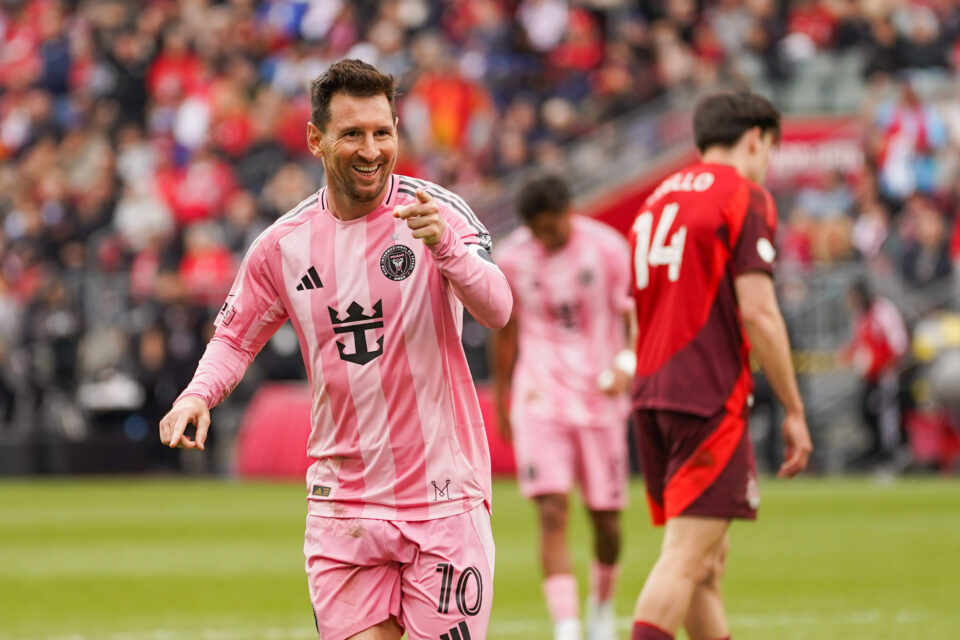
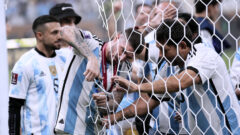
Argentina cannot be written off while they are reigning world champions.
Their squad is older in some areas, and Lionel Messi will need to be managed carefully, but this is still a team with structure, experience and belief. They know how to suffer in tournament football, protect leads and handle emotional pressure.
Messi may not be expected to carry every minute in the same way, but his presence still changes games. The key for Argentina will be whether others can provide the decisive moments around him.
Their World Cup hopes may depend on how well the next group of leaders step forward. If Argentina can spread responsibility across the squad and keep Messi fresh for the biggest moments, they remain a serious threat.
Portugal may have the most complete squad
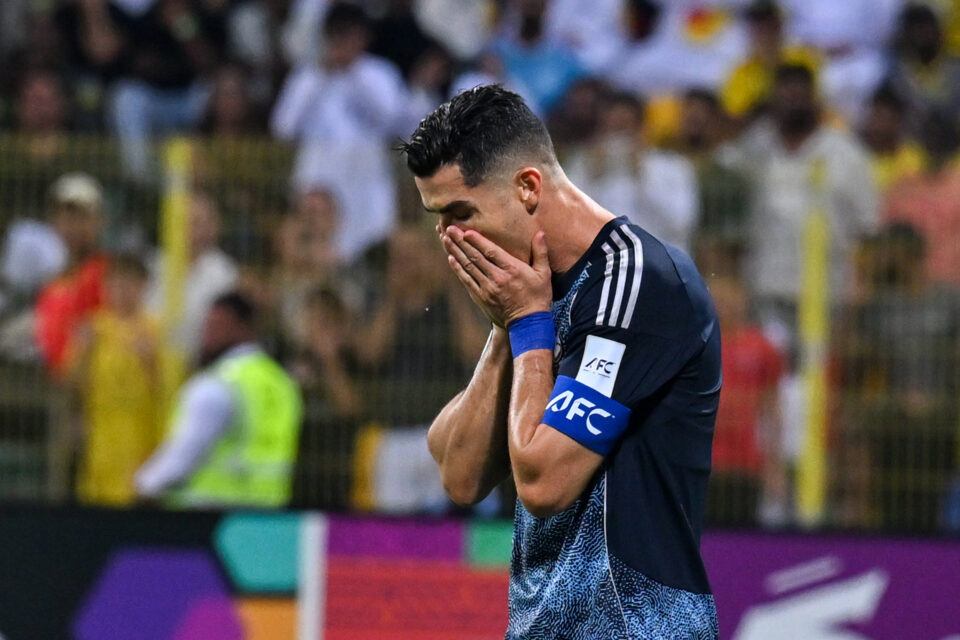
Portugal could arrive with one of the strongest squads on paper.
They have quality in almost every area: elite full-backs, technical midfielders, creative attackers and several different goal threats. Few teams can match their range of options from back to front.
Their midfield gives them control and pressing ability, while their attack can be shaped in different ways depending on the opponent. That flexibility is exactly what teams need in knockout football.
The major question is Cristiano Ronaldo’s role. He remains one of the best finishers in football, but using him from the start in every game could make Portugal more predictable and less fluid.
If Portugal manage that balance correctly, they have the tools to beat anyone.
Germany have the talent to surprise
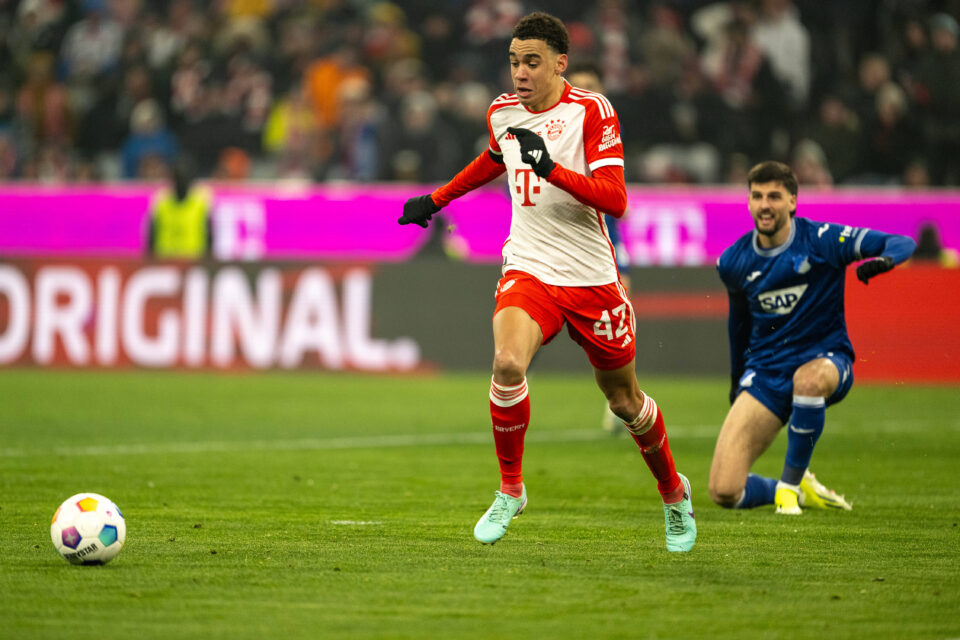
Germany may not enter as the most obvious favourite because of recent tournament disappointments, but the talent is there.
Florian Wirtz and Jamal Musiala give Germany two players capable of changing games instantly. Both can create space, beat defenders and produce moments that break defensive structures.
There is also enough experience and technical quality around them to make Germany dangerous, especially if they build rhythm early in the tournament.
The biggest question is finishing. Germany still lack a guaranteed world-class international goalscorer at the highest level. Against elite opponents, creativity must turn into goals, and that has not always happened in recent major tournaments.
If they solve that problem, Germany could become one of the most dangerous teams in the competition.
England still have questions to answer
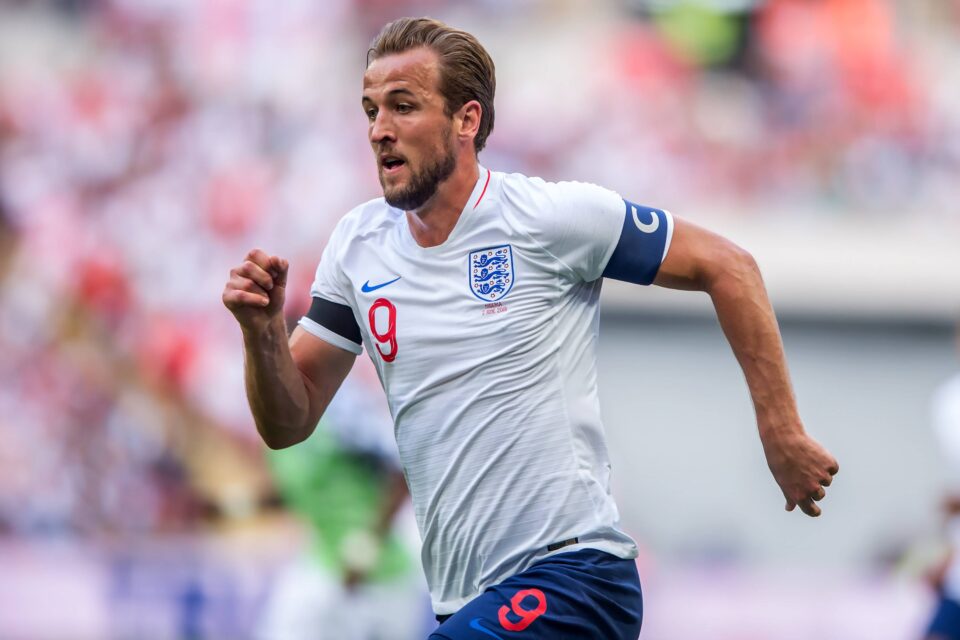
England remain one of the most debated contenders.
On talent alone, they have enough to challenge for the trophy. Harry Kane brings goals and experience, while Jude Bellingham has already shown he can deliver in the biggest moments. England also have attacking depth and players who can decide games from different positions.
The concern is balance.
Behind Declan Rice, the midfield picture is not as convincing as it needs to be. England must find the right blend between control, creativity and defensive protection.
There are also questions at the back. The defensive pool has quality, but it does not yet carry the same certainty that most World Cup-winning teams usually have.
Expectation is another factor. England rarely get a quiet tournament, and any early setback can quickly become a national drama. If they find the right structure, they can go far. If not, the same old doubts may return.
The favourites still need fortune
Spain and France look like the most complete contenders heading toward the 2026 World Cup. Spain have control and technical clarity, while France have depth, power and match-winning quality.
Argentina and Portugal have enough experience and attacking talent to go deep if they manage their superstar dynamics properly. Germany have a high ceiling, but their chances may depend on finding reliable finishing. England have the names, but still need to prove they have the balance required to win the biggest games.
In a 48-team World Cup, the strongest teams will still need to survive chaos. The champions will not necessarily be the side that plays perfect football, but the one that solves problems fastest when the pressure arrives.




Comments